Hastings
From the clifftop down to the Stade — net huts, alleyways, and the working fishing beach. Hastings keeps its own pace. You learn to wait for the light.
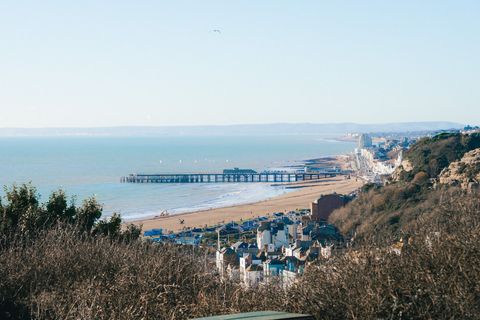
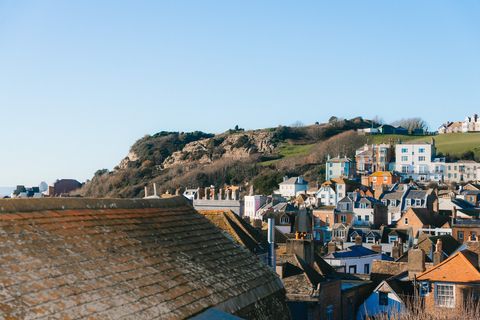
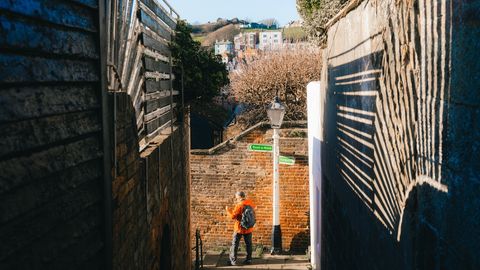
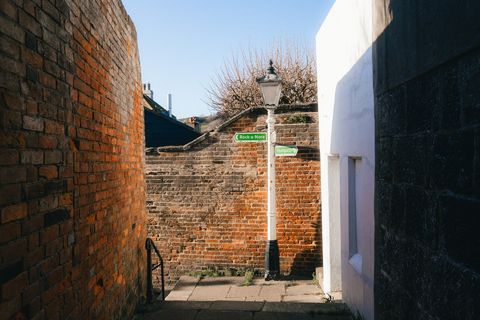


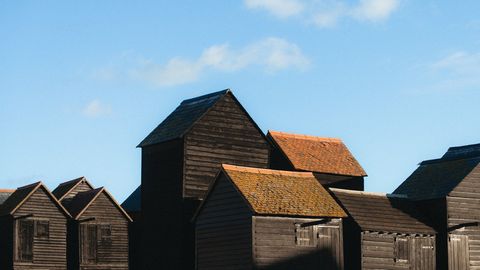
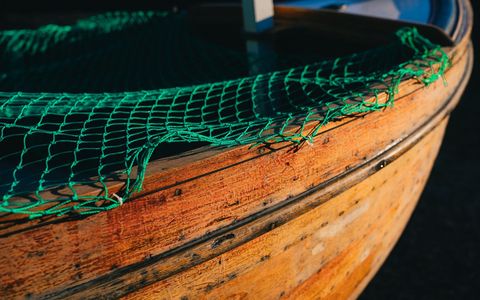
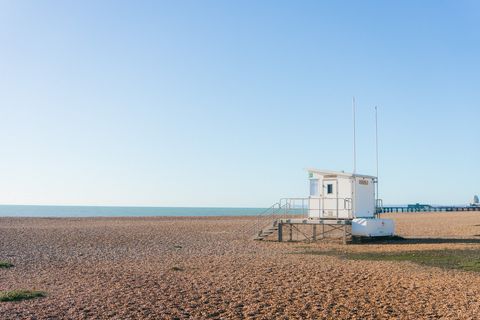
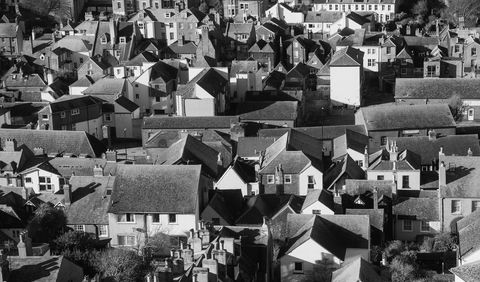
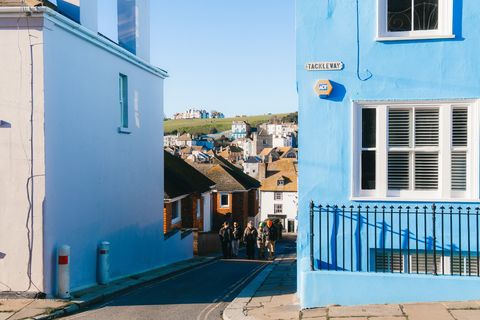
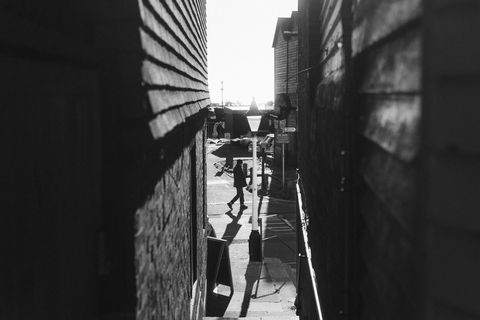
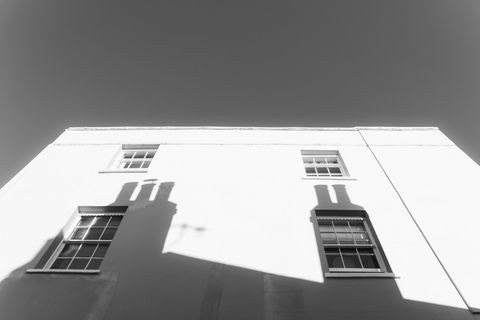
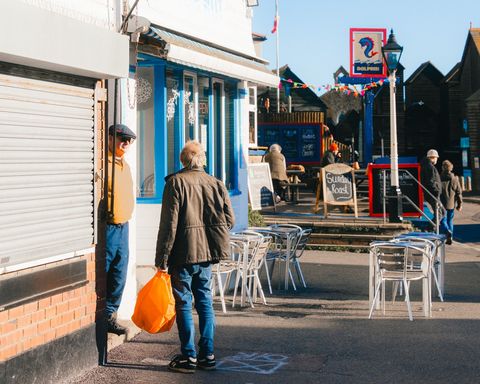

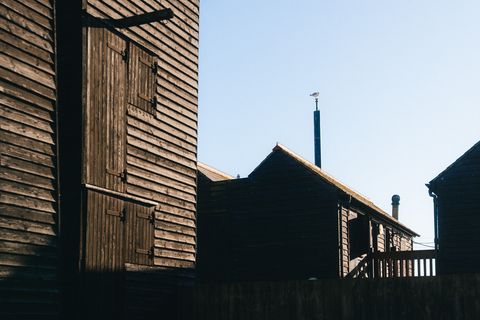
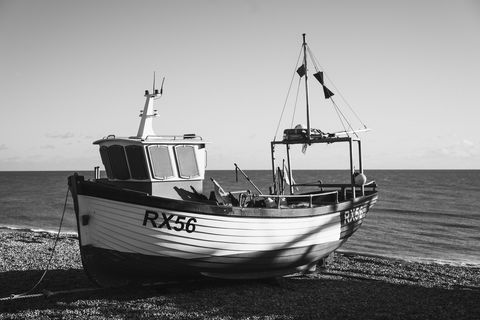
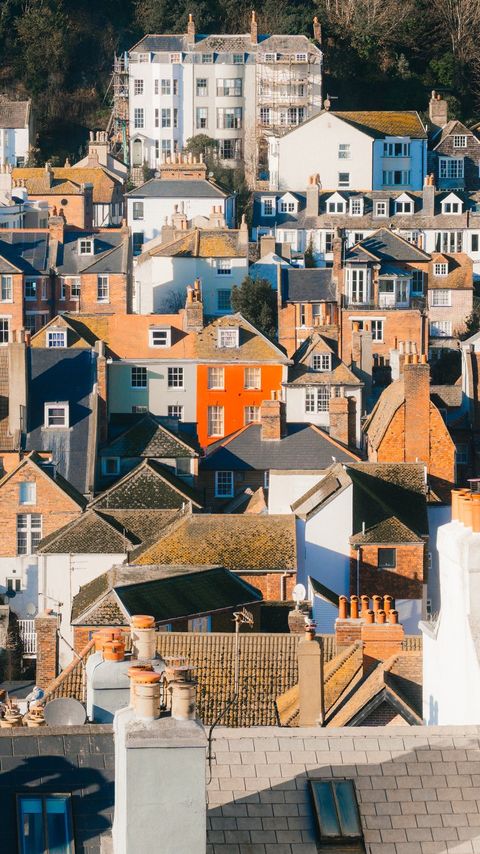
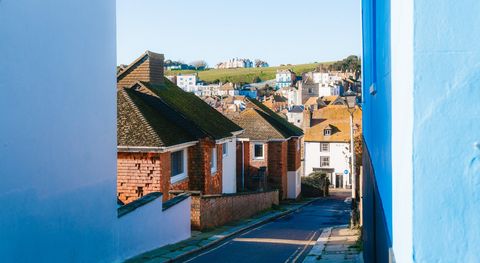

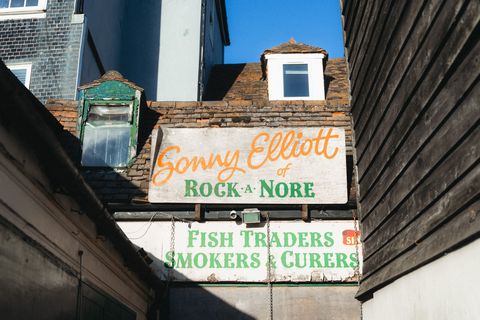
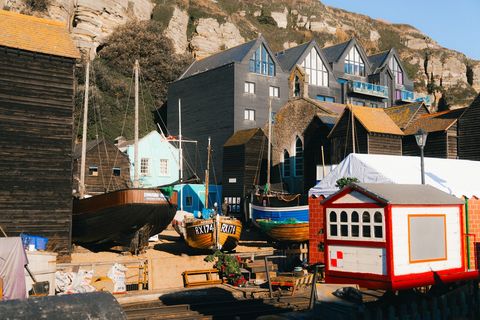
Hastings sits on the East Sussex coast, two hours and a different country from London. Behind a working shingle beach called the Stade — one of the only beach-launched fishing fleets left in Europe — rise the net shops: tall, tar-blackened wooden huts on the same patch of beach since the 19th century.
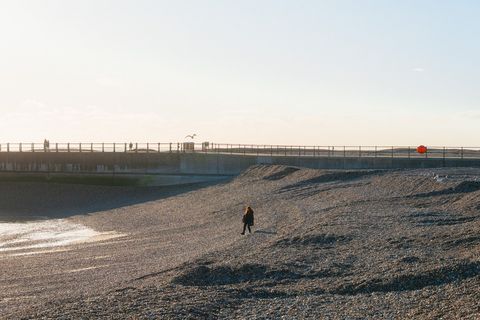
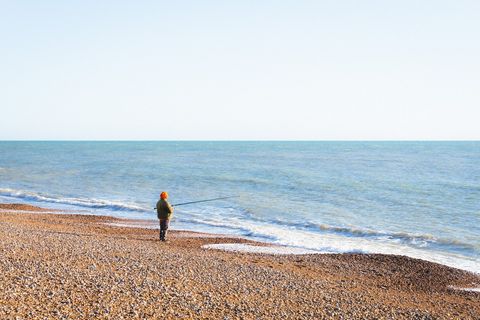
I came down for a weekend a few years ago and have been coming back ever since. Hastings is the slower counterweight to my London work — the same attention to light and geometry, applied to a town that has nothing to do with the city. No walkways, no Brutalist concrete. Instead, salt, weather, woodsmoke, and the long pebble line disappearing into haze.
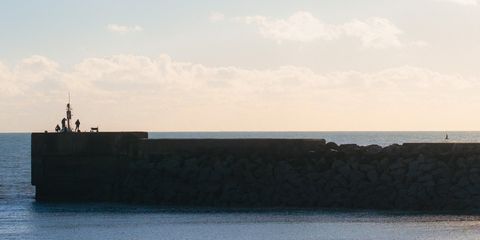
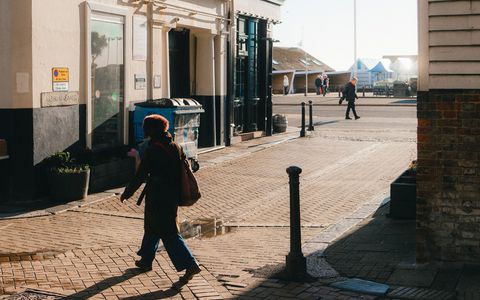
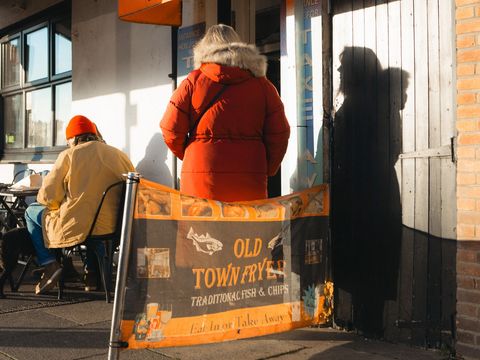
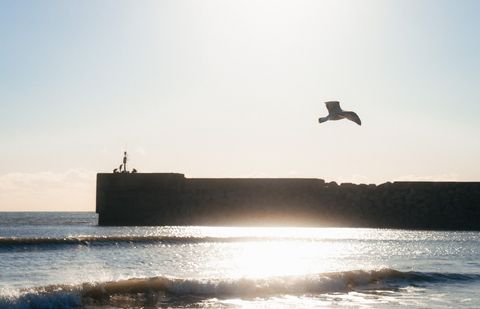
The work moves between three registers. The working coast — boats, winches, gulls, the men who have spent forty years pulling fish out of the Channel. The Old Town — alleyways, painted shopfronts, off-kilter Tudor and Georgian frontages, the steep paths up the cliff. And the wider landscape — the clifftop walks, the long evenings of sea-light. Mostly black-and-white, because that's how the place reads; colour reserved for moments where it actually does something.
It's an ongoing project. I'll walk the Stade at six in the morning before the light has decided what it's going to do, sit on the shingle until something resolves, and walk back up to the Old Town for breakfast. The patience is the work.
Selected photographs are available as limited-edition prints. New images are added a few times a year. Get in touch for prints, commissions, or to talk about the series.